Author: Sahil

  • 10 budget-friendly ways to travel Japan

    10 Budget-Friendly Ways to Travel Japan

    Japan often tops bucket lists for travelers worldwide, but its reputation as an expensive destination keeps many would-be visitors at bay. The good news? You don’t need to empty your savings account to experience the Land of the Rising Sun. With some strategic planning and insider knowledge, you can enjoy everything from ancient temples to cutting-edge technology without the premium price tag. Here’s how to make your Japanese adventure both memorable and affordable.

    Timing Your Trip Right

    One of the most effective ways to save money on a Japanese vacation is simply visiting at the right time. Japan experiences distinct high and low seasons that dramatically affect prices across the board.

    Avoid Peak Tourist Seasons

    Cherry blossom season (late March to early April) and autumn foliage (November) are undeniably beautiful, but they come with premium pricing. Hotels can double their rates, and popular attractions become overwhelmingly crowded. Instead, consider visiting during the “shoulder seasons” of late May to June or September to early October when the weather remains pleasant, but the tourist crowds thin out considerably.

    Another peak period to avoid is Golden Week (late April to early May), when most Japanese people are on holiday, causing domestic travel prices to skyrocket and accommodations to book up months in advance.

    Consider Winter Travel

    If you don’t mind bundling up, winter in Japan (December to February, excluding the New Year holiday) offers exceptional value. Airfares drop significantly, hotel rates become more reasonable, and you’ll enjoy popular attractions without fighting through crowds. Plus, there’s something magical about seeing temples dusted with snow or soaking in a steamy outdoor onsen while snowflakes fall around you.

    Smart Transportation Choices

    Transportation can quickly become your biggest expense in Japan, but with some planning, you can significantly reduce these costs while still experiencing the country’s famous efficiency.

    Evaluate the Japan Rail Pass

    The Japan Rail Pass is often touted as a must-have for tourists, but it’s not always the most economical choice. At around $270 for a 7-day ordinary pass, it’s only worth purchasing if you plan to make several long-distance trips. Do the math before buying – if you’re staying primarily in one region or city, individual tickets or regional passes might be cheaper.

    For example, if you’re only traveling from Tokyo to Kyoto and back, 2 individual Shinkansen tickets would cost less than the national JR Pass. Use online calculators to determine if the pass makes financial sense for your specific itinerary.

    Embrace Local Transportation

    Within cities, subway and bus systems are comprehensive and reasonably priced. Grab a rechargeable IC card like Suica or Pasmo to make local transit seamless and slightly discounted compared to individual tickets. In Tokyo, consider the Tokyo Metro 24/48/72-hour tourist passes for unlimited subway travel at a fraction of the pay-per-ride cost.

    Don’t overlook walking, either. Japanese cities, particularly their central districts, are often compact and extremely pedestrian-friendly. You’ll discover hidden gems and local life that you’d miss from a train window.

    Overnight Buses for Long Distances

    If your schedule is flexible, overnight buses between major cities cost a fraction of bullet train prices. The journey from Tokyo to Kyoto might take 7-8 hours instead of 2.5, but you’ll save on both transportation and one night’s accommodation. Companies like Willer Express offer comfortable seats with amenities like privacy curtains, USB charging ports, and even onboard Wi-Fi.

    Budget-Friendly Accommodation Options

    Accommodation in Japan doesn’t have to break the bank. With some flexibility and creativity, you can find comfortable places to stay that won’t drain your travel fund.

    Business Hotels and Hostels

    Japanese business hotels offer clean, compact rooms with all the necessities at reasonable prices. Chains like Toyoko Inn, APA Hotel, and Route Inn provide consistent quality for typically $40-80 per night. These no-frills accommodations often include free Wi-Fi and sometimes even breakfast.

    For even greater savings, Japan’s hostels have shed their bare-bones reputation. Modern Japanese hostels frequently offer pod-style beds with privacy curtains, personal reading lights, and secure lockers. Many feature stylish common areas where you can meet fellow travelers. Expect to pay $20-35 per night for a dorm bed in cities like Tokyo or Kyoto.

    Experience Traditional Stays

    For a cultural experience that won’t cost as much as luxury ryokans (traditional inns), look into temple lodgings (shukubo) or minshuku (family-run B&Bs). Shukubo in places like Mount Koya offer simple tatami rooms, vegetarian Buddhist meals, and the chance to participate in morning meditation services, typically for $60-100 per person including 2 meals. Minshuku provide a homey atmosphere and often serve home-cooked meals using local ingredients.

    Eating Well Without Overspending

    Japanese food is a highlight for many travelers, and fortunately, you can enjoy amazing meals without premium prices if you know where to look.

    Convenience Store Cuisine

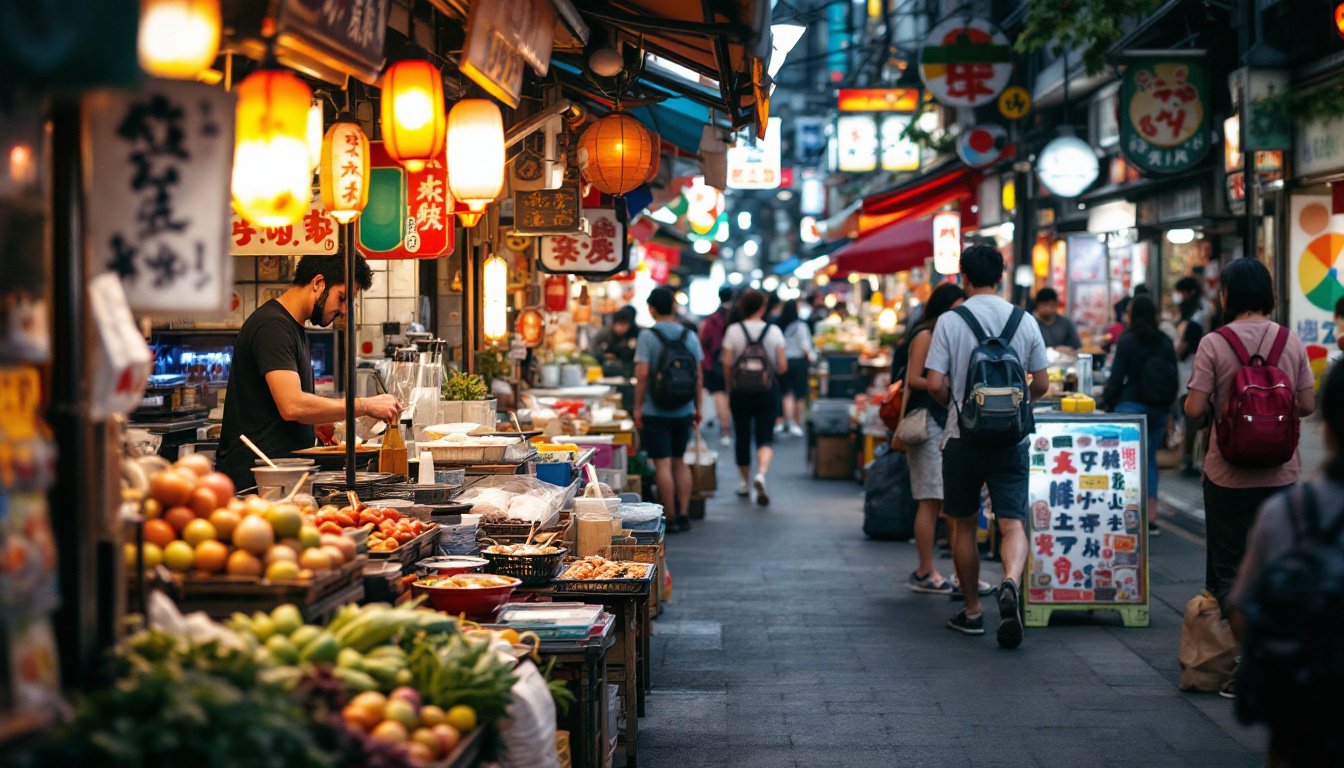
    Japanese convenience stores (konbini) like 7-Eleven, Lawson, and FamilyMart are nothing like their Western counterparts. They offer surprisingly high-quality, fresh food at very reasonable prices. Onigiri (rice balls) for $1-2, bento boxes for $4-7, and fresh sandwiches make for perfect affordable meals on the go. Many also have eating areas where you can enjoy your purchases.

    The selection changes throughout the day, with fresh items stocked for breakfast, lunch, and dinner rushes. Don’t miss seasonal limited-edition items that give you a taste of what’s currently popular in Japan.

    Lunch Sets and Standing Restaurants

    Many restaurants offer teishoku (set meals) at lunchtime for significantly less than their dinner prices, often with the same quality and portion sizes. These typically include a main dish, rice, miso soup, and pickles for $8-15, even at establishments that seem upscale from the outside.

    For even more savings, look for tachigui (standing) restaurants, particularly around train stations. These no-frills establishments serve quick, delicious meals like ramen, soba, curry, or donburi (rice bowls) for $3-7. The lack of seating means faster turnover and lower prices, without sacrificing flavor.

    Department Store Basement Food Halls

    The depachika (department store basement food halls) offer an astonishing array of prepared foods, from sushi to salads to wagyu beef dishes. While they’re not the cheapest option during peak hours, visit about an hour before closing time when many items are discounted by 30-50% to clear daily stock. You can assemble an impressive feast for a fraction of the original price.

    Free and Low-Cost Attractions

    Some of Japan’s most memorable experiences come with minimal or no entrance fees, allowing you to soak up the culture without emptying your wallet.

    Public Parks and Gardens

    Japan’s urban parks and gardens offer peaceful retreats and cultural insights, often for free or minimal cost. Tokyo’s Shinjuku Gyoen charges just ¥500 (about $3.50) for entry to one of the city’s most beautiful landscapes. Kyoto’s Imperial Palace grounds and Osaka Castle Park are completely free to explore, as are many smaller neighborhood parks throughout Japanese cities.

    These green spaces often host seasonal festivals and provide perfect settings for people-watching and experiencing local life away from tourist crowds.

    Free Museum Days

    Many Japanese museums offer free admission on specific days each month. The Tokyo National Museum waives its ¥1,000 entrance fee on International Museum Day and Culture Day. The National Museum of Modern Art in Tokyo is free on the first Sunday of each month. With a bit of research and flexible planning, you can experience world-class collections without spending a yen.

    Shopping Smartly for Souvenirs

    Bringing home mementos doesn’t have to deplete your travel budget if you know where to look.

    100-Yen Shops

    Daiso, Seria, and other 100-yen shops (Japan’s equivalent of dollar stores) offer surprisingly high-quality items perfect for souvenirs. From beautiful ceramics and stationery to quirky kitchen gadgets and traditional items like chopsticks, you can find unique gifts that don’t scream “tourist trap.” Most items cost just ¥100-300 (roughly $0.70-2.00), allowing you to stock up on presents for everyone back home.

    These shops are also perfect for picking up practical items you might need during your trip, from umbrellas to snacks to phone chargers, at prices far below what you’d pay at hotels or tourist areas.

    Connectivity Without the Cost

    Staying connected in Japan has become much easier and more affordable in recent years, with options to suit various travel styles.

    Free Wi-Fi and Offline Solutions

    Japan has dramatically improved its free Wi-Fi infrastructure in preparation for international events. Major train stations, convenience stores, coffee shops, and many public spaces now offer free Wi-Fi. Before your trip, download the Japan Connected-free Wi-Fi app, which gives you easy access to thousands of free hotspots nationwide.

    For times when you’re offline, download offline maps through Google Maps or Maps.me before your trip. Also consider translation apps like Google Translate that work offline – particularly useful for deciphering menus or signs when you’re away from internet connections.

    Final Thoughts

    Traveling to Japan on a budget doesn’t mean missing out on authentic experiences. In fact, many of these money-saving strategies will bring you closer to everyday Japanese life than following the standard tourist path. By being strategic about when you visit, where you stay, how you travel, and what you eat, you can enjoy this fascinating country without financial stress.

    Remember that in Japan, quality and attention to detail extend across all price points – even budget options are likely to exceed expectations. With some planning and flexibility, your affordable Japanese adventure might become one of your most memorable travel experiences yet.
  • The best time to visit Portugal

    The Best Time to Visit Portugal

    Portugal is a stunning country that offers a blend of rich culture, breathtaking landscapes, and delicious cuisine. If you’re looking to explore this beautiful destination without breaking the bank, knowing when to visit is crucial. This guide will help you navigate the best times to explore Portugal while keeping your expenses in check.

    Understanding Portugal’s Seasonal Climate

    To truly enjoy your trip while sticking to a budget, it’s essential to understand Portugal’s seasonal climate. Each season offers unique experiences, weather, and costs that may influence your travel plans.

    Section Image

    Portugal’s Weather: A Monthly Breakdown

    Portugal’s weather can vary significantly from north to south, but typically, you’ll encounter a Mediterranean climate. Here’s a quick rundown:

    • January-March: Winter months with cooler temperatures. Expect some rain, especially in the north.
    • April-June: Spring brings milder weather. This is a great time for sightseeing as flowers bloom, and the weather warms up.
    • July-August: Summer is hot, especially in the south. Expect crowds and higher prices, particularly on the Algarve coast.
    • September-December: Fall is pleasant with fewer tourists, making it ideal for budget travelers.

    Understanding this breakdown will help you align your travel preferences with what’s happening weather-wise. In the spring, for example, you can witness the stunning cherry blossoms in the Douro Valley, while the summer months invite you to bask on the sun-kissed beaches of the Algarve. Each season offers its own unique charm, making it essential to choose the right time for your visit based on your interests.

    How Weather Influences Travel Costs in Portugal

    The weather has a significant impact on costs. Higher demand during peak summer months results in inflated prices for accommodation and activities. Conversely, visiting in the off-peak months can save you a considerable amount on your travel expenses.

    For those willing to brave the winter chill, you can snag great deals on flights and hotels while enjoying a less crowded experience. It’s all about weighing your priorities: warmth and sun or budget-friendly travel? Additionally, the off-peak season allows you to experience local festivals and events without the overwhelming crowds. For instance, visiting Lisbon in November means you can enjoy the vibrant Festival of Saint Martin, where locals celebrate with food, music, and cultural activities, offering a more authentic glimpse into Portuguese life.

    Moreover, the mild autumn weather is perfect for exploring the wine regions of Portugal, such as the Alentejo and Douro Valley, where you can partake in grape harvesting and wine tastings. This not only enhances your travel experience but also allows you to engage with the local culture in a way that peak season tourists might miss. Therefore, understanding the seasonal climate is not just about planning your wardrobe; it’s about enriching your travel experience in Portugal.

    Budget Travel in Portugal: What to Expect

    Traveling to Portugal on a budget is entirely feasible, but it’s essential to know what to expect in terms of costs and experiences. Many travelers leave with fond memories without spending a fortune.

    Accommodation Costs Throughout the Year

    Accommodation costs will fluctuate throughout the year. If you’re visiting during the busy summer months (July and August), expect prices to soar. Popular cities like Lisbon and Porto become particularly pricey.

    However, during off-peak periods like winter, you can find great deals on hostels, hotels, and Airbnbs. Consider staying outside major tourist spots for even better rates. Often, quaint neighborhoods provide a more authentic experience. For instance, neighborhoods like Alfama in Lisbon or Ribeira in Porto offer charming atmospheres and are often overlooked by tourists, allowing you to immerse yourself in local culture while saving money.

    Dining and Entertainment: Seasonal Price Fluctuations

    Portugal is known for its fantastic food and vibrant nightlife, but dining out can add up quickly. Prices can vary, with summer months seeing inflated costs at popular eateries.

    To eat on a budget, explore local markets and street food options. You’ll find that many tavernas offer hearty meals at reasonable prices, particularly during the off-seasons. Early spring and late fall are perfect times for enjoying local cuisine without spending excessively. Additionally, don’t miss out on the famous pastel de nata, a delicious custard tart that can be found at numerous bakeries for just a couple of euros. Pair it with a bica, the Portuguese espresso, for a delightful breakfast or snack. Furthermore, many cities host free or low-cost events throughout the year, such as music festivals and art exhibitions, which can enrich your travel experience without breaking the bank.

    Seasonal Highlights and Attractions in Portugal

    Each season brings its own festivities and attractions, making tourism in Portugal dynamic and vibrant. Knowing about these highlights can enrich your travel experience.

    Festivals and Events Worth Planning For

    Portugal hosts numerous festivals throughout the year. If you’re a fan of cultural events, consider timing your visit with one of these!

    • Festas de Lisboa (June): Celebrate with music, food, and parades throughout the streets of Lisbon.
    • Algarve Jazz Companhia (September): For jazz lovers, this annual event in Faro offers incredible performances.
    • São João Festival (June): Experience Porto’s vibrant atmosphere, where locals celebrate with music, food, and fireworks.

    These festivities not only enhance your travel experience but can often provide free entertainment, which is ideal for budget travelers. Additionally, many of these events showcase local artisans and craftspeople, allowing visitors to purchase unique souvenirs while supporting the local economy. The lively atmosphere of these festivals is infectious, drawing both locals and tourists into a shared celebration of culture and community.

    Off-Season Attractions: Experiencing Portugal Like a Local

    Visiting off-season means fewer crowds and a chance to see the real Portugal. Explore charming towns like Évora or Sintra, which are tranquil compared to the bustling summer months.

    You can also take advantage of lower entrance fees to popular attractions during these times. Many museums and historical sites offer discounts for travelers during the off-peak season, making it a great opportunity to dive deeper into Portugal’s culture. In addition, the cooler months provide a perfect backdrop for exploring the stunning natural landscapes, such as the Douro Valley, where you can enjoy wine tastings and scenic hikes without the summer heat. The off-season also allows for a more intimate experience with the locals, as you might find yourself sharing a meal in a quiet tavern or joining a small group for a guided tour, gaining insights that are often lost in the larger tourist crowds.

    Practical Tips for Budget Travel in Portugal

    Traveling on a budget requires a bit of strategizing, so here are some practical tips to keep your expenditures at bay while enjoying Portugal.

    Section Image

    Saving on Transportation: Navigating Portugal Economically

    Getting around Portugal doesn’t have to cost a fortune. In major cities, use public transport, which is reliable and affordable.

    • Transports like trams and buses: They provide cost-effective ways to explore cities.
    • Train travel: Connect major cities like Lisbon, Porto, and Faro. Buying tickets in advance may offer better rates.
    • Walking: Take advantage of Portugal’s walkable cities. It’s good for your pocket and health!

    Utilizing these transportation methods allows you to explore more without feeling the financial pinch. Additionally, consider using ride-sharing apps for late-night travel or when public transport is less frequent. These services can sometimes offer promotional discounts, making them a budget-friendly option for getting back to your accommodation after a long day of sightseeing.

    For those who enjoy a bit of adventure, renting a bicycle can be a fantastic way to see the sights while saving money. Many cities have dedicated bike lanes, and cycling along the scenic coastlines or through historic neighborhoods can provide an unforgettable experience. Just be sure to check for bike rental shops that offer daily or weekly deals!

    Affordable Souvenirs: Where and When to Shop

    Everyone loves souvenirs, but they can be pricey. To save money, shop where locals do. Look for craft markets or small shops instead of tourist traps.

    Consider visiting these places:

    • Mercado da Ribeira (Lisbon): A food market where you can find unique local delicacies.
    • Flea Markets: They often have handcrafted items at a fraction of the cost.
    • Local Artisans: Buying directly from artists can save you money and give you a one-of-a-kind souvenir.

    Shopping during the off-season can lead to even better bargains as many shops offer sales to attract customers during quieter months. Additionally, don’t forget to explore the local neighborhoods where you can stumble upon hidden gems that aren’t listed in travel guides. These shops often have a more authentic feel and can provide a richer shopping experience.

    Another tip is to engage with local artisans and ask about their craft. Many are happy to share their stories and may even offer discounts for direct purchases. This not only supports the local economy but also gives you a deeper connection to the items you bring home, making your souvenirs even more meaningful.

    Conclusion: Choosing Your Ideal Time to Visit Portugal

    Choosing when to visit Portugal is all about balancing your preferences with the realities of weather, costs, and attractions. Each season has its perks and unique offerings.

    Section Image

    Balancing Weather, Costs, and Attractions

    In the end, select a time that aligns with your weather preferences while keeping an eye on your budget. Whether you enjoy the warm summer sun or the crisp autumn air, Portugal has something magical to offer all year round.

    Final Thoughts on Budget Travel in Portugal

    Portugal remains one of the most affordable European destinations, and with proper planning, you can experience its beauty without busting your budget. By understanding the seasonal climate, planning around festivals, and being smart about transportation and dining, your trip can be enjoyable and economical.

    So pack your bags, choose your season wisely, and get ready to discover the wonders of Portugal without the hefty price tag!

    Ready to explore the enchanting landscapes and rich culture of Portugal without the stress of planning and booking? Let Travel2Borders take the reins. Our expertise in crafting custom travel itineraries means you can enjoy a seamless, budget-friendly Portuguese adventure tailored just for you. With our ability to secure better rates on hotels and flights, all you need to do is pack your bags and board the plane. Don’t miss out on the perfect balance of weather, cost, and attractions. Book your next trip with Travel2Borders today and embark on an unforgettable journey to Portugal!

  • When to go to Mexico, and when not to

    When to Go to Mexico, and When Not To

    If you’re looking for a beautiful getaway that doesn’t break the bank, Mexico is a fantastic option! With its rich culture, breathtaking landscapes, and mouthwatering cuisine, you’ll find plenty to love. But to make the most of your trip and save some cash, you’ll want to understand the seasonal variations in this vibrant country. Let’s explore the best times to visit Mexico on a budget!

    Understanding Mexico’s Seasonal Variations

    Mexico is known for its diverse climate and seasons, which can significantly impact your travel experience and expenses. Understanding these seasonal variations will empower you to plan your trip more effectively.

    Section Image

    The Dry Season: Advantages and Disadvantages

    The dry season typically runs from November to April. This is when you’ll find plenty of sunshine and pleasant temperatures across most of the country. It’s the perfect time for beach lovers and outdoor adventurers.

    However, it’s also considered peak tourist season. This means you’ll encounter higher prices for flights, accommodations, and even some attractions. If you’re planning to visit during this time, make sure to book ahead to snag the best deals!

    During the dry season, popular destinations like Cancun, Playa del Carmen, and Tulum come alive with vibrant nightlife, beach parties, and cultural festivals. The weather is ideal for exploring ancient ruins like Chichen Itza or Teotihuacan, where the clear skies enhance the breathtaking views. Additionally, wildlife enthusiasts can take advantage of this season to spot migratory birds and marine life, such as sea turtles nesting on the beaches. However, be mindful that the influx of tourists can lead to crowded attractions, so planning your itinerary to include early morning visits can help you avoid the rush.

    The Wet Season: Pros and Cons

    The wet season lasts from May to October, bringing increased humidity and rainfall, especially in coastal regions. While this might sound unappealing, there are perks to traveling during this time.

    First off, fewer tourists mean lower prices at hotels and more availability. Plus, the landscapes turn lush and vibrant thanks to the rainfall. Just be prepared for sudden downpours, especially in the afternoons. Pack a good rain jacket and you’ll be set!

    Traveling during the wet season also offers unique experiences that are hard to come by during the dry months. For instance, the rain nourishes the flora, making the jungles of Chiapas and the Yucatan Peninsula particularly stunning. This is also a great time for eco-tourism, as many tour operators offer special packages to explore the rich biodiversity of the region. Moreover, the wet season is a fantastic time for food lovers, as local markets burst with fresh produce, and seasonal dishes come alive with flavors that reflect the region’s agricultural bounty. Just be sure to check local weather patterns and stay flexible with your plans to make the most of your adventure!

    Budget-Friendly Travel in Peak Seasons

    Traveling in peak seasons doesn’t mean you have to empty your wallet. With a little strategy, you can enjoy Mexico’s beauty while sticking to your budget.

    Section Image

    Navigating the High Season: Winter

    Winter is when many tourists flock to Mexico to escape the cold in their home countries, leading to skyrocketing prices. But fear not! You can still enjoy this season by being tactical about your choices.

    Consider visiting lesser-known destinations instead of popular tourist spots. Smaller towns often have unique charm without the crowds, along with more affordable rates. For example, explore the quaint vibes of Valle de Bravo instead of the glitzy atmosphere of Cancun.

    Additionally, look for accommodations that offer kitchen facilities, allowing you to prepare your own meals and save on dining out. Markets in towns like Tulum or San Miguel de Allende are brimming with fresh produce and local delicacies, making it easy to whip up a delicious meal while immersing yourself in the local culture. Plus, dining in can be a fun way to bond with fellow travelers or family, sharing recipes and cooking tips from different regions.

    Making the Most of the Shoulder Season: Spring and Fall

    The shoulder seasons, spring (March to May) and fall (September to November), are fantastic windows of opportunity for budget travelers. During these months, you’ll find milder weather and fewer crowds.

    Plan your visit around the beginning or end of these periods to take advantage of lower flight and accommodation prices. Additionally, keep an eye on festivals and local events that could enhance your experience without costing a fortune!

    For instance, the Day of the Dead celebrations in early November offer a vibrant cultural experience, with colorful altars, parades, and traditional foods that showcase the rich heritage of Mexico. Similarly, spring brings the stunning blooming of jacaranda trees in cities like Guadalajara, creating picturesque streets perfect for leisurely strolls and photo opportunities. Engaging with these local festivities not only enriches your travel experience but also allows you to connect with the community in a meaningful way, often leading to unforgettable memories and new friendships.

    Off-Peak Travel: The Secret to Savings

    If you’re flexible with your traveling dates and looking to save big, off-peak travel is the way to go. Let’s dive into the summer months and uncover unexpected benefits!

    Embracing the Low Season: Summer

    Summer might be seen as an off-peak season due to the heat and rain, but it has its charm! Tourist numbers plummet, allowing for greater savings on accommodations and activities. More often than not, you’ll find considerable discounts on tours and excursions.

    It’s also the time of year when beaches are less crowded, making your experience far more enjoyable. Just plan your beach days wisely and hit the sandy shores in the morning when temperatures are cooler. Additionally, many beachside cafes and restaurants offer special summer menus or happy hour deals to entice locals and visitors alike, giving you the chance to enjoy delicious meals at a fraction of the price.

    Unexpected Benefits of Off-Peak Travel

    Traveling in the off-peak season opens a world of unique local experiences. You can immerse yourself in the true culture of the place, connecting with locals and avoiding the tourist traps that tend to dominate peak periods.

    Also, many local festivals occur during the summer months. Take advantage of these festivities to taste authentic cuisine and enjoy colorful celebrations that you wouldn’t witness during peak season! From vibrant street fairs showcasing handmade crafts to music festivals featuring local artists, these events provide an enriching glimpse into the community’s spirit. Not to mention, you may even find opportunities to participate in traditional activities, such as cooking classes or dance workshops, which are often overlooked by the typical tourist crowd.

    Moreover, the off-peak season can also lead to more personalized service at hotels and restaurants. With fewer guests to attend to, staff can dedicate more time to ensuring your experience is memorable. This means you might receive special recommendations, complimentary upgrades, or even a warm welcome that makes you feel like a valued guest rather than just another number. So, not only do you save money, but you also gain the chance for a more intimate and tailored travel experience.

    Regional Differences in Travel Costs

    It’s important to recognize that travel costs can vary significantly depending on where you’re headed in Mexico. Let’s take a closer look at these regional differences.

    Section Image

    Cost Variations in Mexico’s Coastal Regions

    Popular coastal areas like Cancun, Playa del Carmen, and Tulum can be pricier due to their tourist appeal. However, not all locations are created equal. Consider checking out lesser-known beaches like Akumal or the charming town of Puerto Escondido for a more budget-friendly experience.

    Also, keep an eye out for local dining options: street food in coastal regions can be delicious and inexpensive, offering an authentic taste of Mexico without the hefty price tag!

    Budgeting for Travel in Mexico’s Interior Regions

    The heart of Mexico, including cities like Oaxaca and Guanajuato, often presents more affordable options for travelers. These areas are rich in culture and history and usually less expensive compared to tourist hotspots.

    Transportation costs in these regions can also be lower, especially if you opt for local buses. Take the opportunity to ride like a local, exploring charming towns and vibrant markets!

    Money-Saving Tips for Traveling to Mexico

    Now that we’ve explored the best times to visit Mexico on a budget, let’s delve into some practical tips to maximize your savings.

    Affordable Accommodation Options

    When it comes to finding affordable places to stay, think beyond traditional hotels. Look for hostels, guesthouses, or vacation rentals (like those on platforms such as Airbnb) to cut down on costs.

    Many hostels offer private rooms at much lower prices than hotels. Plus, staying in a hostel can provide a great opportunity to connect with fellow travelers. If you’re traveling with friends or family, consider booking a multi-bedroom unit to share expenses!

    Eating and Drinking on a Budget in Mexico

    Mexican cuisine is beyond delicious, and it’s also very budget-friendly if you know where to look. Street food is a must-try! You can indulge in tacos, elotes (street corn), and tamales for just a few pesos.

    Additionally, seek out local markets for fresh ingredients or cooked meals at great prices. You can turn a simple meal into an authentic experience without splurging. Don’t forget to indulge in cheap yet refreshing drinks like agua frescas and local beers!

    In conclusion, visiting Mexico on a budget is entirely possible with the right timing and planning. Whether you decide to embrace the off-peak season or navigate the nuances of peak times, exploring this beautiful country without overspending is within reach. Happy travels!

    Ready to experience the vibrant culture and stunning landscapes of Mexico without stretching your budget? Let Travel2Borders craft the perfect itinerary for you. Our expertise in securing better hotel and flight rates means you can focus on packing your bags and setting off on an adventure, hassle-free. From the bustling streets of Mexico City to the tranquil beaches of the Yucatan Peninsula, we’ll tailor your journey to fit your budget and preferences. Book your next trip with us and embark on a Mexican escapade that promises to be as affordable as it is unforgettable!